Jinan Aidela International Trade Co., Ltd.

Engine Cooling Spare Parts

What is Engine Cooling Spare Parts?


Engine cooling spare parts refer to the components that make up the cooling system of an internal combustion engine. The primary function of this system is to regulate the temperature of the engine by removing excess heat produced during combustion, thereby preventing overheating which could lead to engine damage or failure.


Why Choose Us


Professional Team
We are engaged in heavy-duty truck parts, and we have professional business and technical personnel to provide you with services and provide you with a one-stop solution to your domestic procurement chain.


Our Product
Heavy-duty truck cab, engine, gearbox, chassis, frame, oil, etc.


Reliable Supply
We offer a vertically integrated supply chain model to ensure reliable long-term supply and complete traceability.


Shipping Service
We have established a robust shipping service offered to ensure timely and secure delivery of orders worldwide.

  • Quanchai Water Pump

    Quanchai Water Pump

    2409531810006 Quanchai water pump with reliable performance and low noise

    Add to Inquiry
  • Fan Tray

    Fan Tray

    201-06600-6118风扇托架

    Add to Inquiry
  • Quanchai Water Pump

    Quanchai Water Pump

    ​​2409531810006全柴水泵

    Add to Inquiry
  • Piston Nozzle Screw

    Piston Nozzle Screw

    The cooling nozzle is installed on the engine oil passage, located below the cylinder barrel. It is

    Add to Inquiry
  • Upper Diesel Gas Separator

    Upper Diesel Gas Separator

    082V01804-0011 082V01804-0013 1000291144 1000355191 1000623610 1001352307

    Add to Inquiry
  • Cylinder Head Water Outlet Pipe

    Cylinder Head Water Outlet Pipe

    The cylinder head water outlet pipe becomes the cylinder head water distribution pipe.

    Add to Inquiry
  • Cummins Cylinder Gasket

    Cummins Cylinder Gasket

    This product has super sealing effect, high temperature resistance, corrosion resistance, long

    Add to Inquiry
  • Thermostat

    Thermostat

    A full range of thermostats, thermostat cores, thermostat shells, etc. for heavy trucks.

    Add to Inquiry
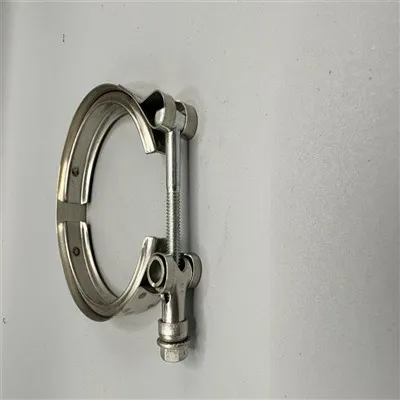
  • Clamp

    Clamp

    We pay attention to every detail and the quality of every product.

    Add to Inquiry
  • Cylinder Head Gasket

    Cylinder Head Gasket

    080V03901-0378 1000100477 1001769623 1002004AA51-0000 1002004-A04-0000 1002566279 1003020-81DR

    Add to Inquiry
  • Compressor Intake Pipe

    Compressor Intake Pipe

    1006944138 Compressor intake pipe.Our company has a complete range of rubber hoses for various

    Add to Inquiry
  • High Pressure Pump

    High Pressure Pump

    If the high-pressure oil pump is broken, the following problems will occur: weak acceleration,

    Add to Inquiry
First 12345 Last 1/5
How Does the Cooling System Work In a Car?


To explain how a cooling system works, you must first explain what it does. It's very simple – the car's cooling system cools the engine. But cooling this engine can seem like a gigantic task, especially when you consider how much heat a car engine generates. Think about it. The engine of a small car traveling on a highway at 50 miles per hour will generate approximately 4,000 explosions per minute.

Along with all the friction from moving parts, this is a lot of heat that needs to be concentrated in one place. Without an efficient cooling system, the engine will heat up and stop running within minutes. A modern cooling system should ensure the coolness of the car at an ambient temperature of 115 degrees, as well as warmth in the winter weather.


What Happens Inside?
The cooling system works by constantly passing coolant through channels in the engine block. Coolant, driven by a water pump, is pushed through the cylinder block. As the solution passes through these channels, it absorbs heat from the engine.

Leaving the engine, this heated fluid enters the radiator, where it is cooled by the air flow entering through the car's radiator grill. The fluid will cool as it passes through the radiator, returning to the engine again to pick up more engine heat and carry it away.

There is a thermostat between the radiator and engine. Depending on the temperature, the thermostat regulates what happens to the liquid. If the fluid temperature drops below a certain level, the solution bypasses the radiator and is instead directed back to the engine block. The coolant will continue to circulate until it reaches a certain temperature and opens the valve on the thermostat, allowing it to pass through the radiator again for cooling.

It seems that due to the very high engine temperature, the coolant can easily reach its boiling point. However, the system is under pressure to prevent this from happening. When the system is under pressure, it is much more difficult for the coolant to reach its boiling point. Occasionally, however, pressure builds up and must be relieved before it can deflate the hose or gasket. The radiator cap relieves excess pressure and fluid by accumulating in the reserve tank. After the liquid in the storage tank has cooled to an acceptable temperature, it is returned to the cooling system for re-circulation.

Car Cooling System Parts – What it contains?

We learnt how the engine produces a high amount of heat that needs to cool down for the efficient functioning of the vehicle. Cooling down an engine involves complex mechanisms and components that work together to ensure everything is well within the temperature range.

Let's look at the car cooling system parts and functions to understand our favourite machines better.


Water Pump
The water pump is what carried the coolant through the engine. As the burning fuel produces around 4,500 degrees of heat, it is essential to draw off the heat from the engine to avoid damage and failure. The water pump propels the coolant through the engine block, heater core, and cylinder head to absorb heat. The coolant enters the radiator, where it cools down.

A broken water pump will hamper the entire cooling system process, leading to an overheated engine and sometimes a complete failure. The pump is driven by a belt that needs replacement from time to time.


Radiator
When the coolant circulates through the hot engine, it heats up. The radiator helps to cool down the coolant before it starts with the process all over again. The anti-freeze moves through metal fins for heat dissipation. Most radiators have two tanks that hold a coolant – one on the top and bottom or one on both sides.


Radiator Cap
The radiator cap is also known as a pressure cap, as its primary function is to maintain the pressure in the cooling system. The high pressure in the car cooling system increases the boiling point of the coolant, thereby helping it cool down more efficiently. The pressure cap is, therefore, an essential component that needs regular replacement. For Car cooling system repair, consult your service centre.


Cooling Fan
The radiator contains cooling fans that drive fresh air over the radiator, allowing the engine to be cooled down further. However, the fan is functional only when the engine gets to 230°F or more. The additional airflow helps to provide more intense cooling. The fan is located at the front of the vehicle. It automatically turns on when the coolant gets too hot and switches off when the coolant reaches adequate temperature.


Heater Core
The heater core acts as a mini radiator, wherein it extracts the heat from the hot coolant and blows it into the cabin. It is how you get the blast of warm air in your car cabin when it is freezing outside.


Overflow Tank/Coolant Expansion Tank
The coolant expansion tank acts as a reservoir for excess coolant whenever there is a change in the volume. For instance, when the coolant gets hot, it expands. The overflow tank then holds the additional quantity, thereby maintaining the accurate level of coolant in the cooling system. The tank cap also uses a special valve to maintain the pressure level and keep the air out of the system.


Thermostat
The engine has to go through all kinds of temperatures, ranging from extremely hot to extremely cold. The thermostat is what regulates the coolant entry through the system.

When you start the engine, the temperature inside the system is cold, and therefore, the thermostat uses a valve to restrict the coolant flow. As the engine warms up, the valve opens up, allowing the coolant to move through the entire car cooling system.


Hoses
The hoses are a series of pipes that connect the radiator and the engine so that the coolant can flow through it. They are made from durable material as they have to go through a lot of pressure and high temperature. If you do not replace it, they might begin to leak and even lose the connection to the radiator.


Freeze Plug
Freeze Plug is another car cooling system part that helps to protect the engine. As water expands when it freezes, the coolant can also freeze in cold areas when the vehicle is sitting idle. The freezing coolant is a threat to the engine block and may even crack it. The freeze plug can withstand the pressure of the running engine, but once the coolant freezes, it pops out of the engine block. A little action can save your engine!

What is Thermostat In car?
 

A car's thermostat is the component in its cooling system that performs two main functions. It must get the engine to heat up to its optimum temperature as quickly as possible, and then keep the engine at its optimum temperature.


The most popular type of thermostat regulates the flow of coolant to the air-cooled radiator.
Such thermostats use a chamber that contains a wax pellet, which melts and expands at a set temperature.


This process operates a rod that then opens a valve when the operating temperature is exceeded, allowing through more coolant into the radiator. The operating temperature is determined by the composition of the wax.


Listening out for the cooling fan can be a quick and easy way to tell if your car's cooling system is working at peak efficiency or not.


If you hear the fan being activated on a cool day, or if the fan is in operation after even a short run, there's a good chance that either the level of coolant in your car has dropped, or there's a fault with the thermostat.

WP12 发动机机油冷却器


WP12发动机油

It's worth letting the car's cooling system cool down so you can accurately check the level of fluid in the expansion tank – it should be between and H and L mark on the side of the tank.


If the level of coolant is low, it's worthwhile checking the state of the car's rubber cooling pipes.
These lead from the radiator to the expansion tank and from the car's engine to the radiator.


Vibrations caused when the car is moving can make the pipes wear if they happen to be rubbing against other components, and if there are any bulges in the pipes you should replace them straight away and bleed the system (see section on Bleed screws).


If there are no leaks in your car's cooling system, the fault will likely lie with the thermostat, which must be changed.


Why a Thermostat is Important?

A functional thermostat is essential for a number of reasons, including

1

Enhanced performance

By maintaining the engine at its ideal temperature, the thermostat ensures that the engine runs efficiently. This leads to smoother performance and can even boost fuel efficiency.

2

Reduced emissions

Engines that operate within their optimal temperature range produce fewer emissions. This is because the combustion process is more complete, reducing the release of harmful pollutants.

3

Prevention of overheating

Overheating is one of the most common causes of engine damage. The thermostat helps prevent this by ensuring that coolant circulates through the engine when it reaches high temperatures.

4

Prolonged engine life

By preventing extreme temperatures, the thermostat contributes to the longevity of the engine and its components. This can save car owners significant money in repair and replacement costs over time.

Common Faults and Solutions of High-Pressure Fuel Pumps


The high-pressure fuel pump is called the "heart" of the diesel engine and is the most important part in the fuel supply system of the diesel engine. Its basic function is to provide high-pressure diesel oil to the injector regularly and quantitatively. Whether the high-pressure fuel pump of the diesel engine works normally has a crucial impact on the operation of the entire diesel engine. Common faults and solutions of high-pressure fuel pumps:


1. The diesel engine cannot be started:
The reason why the diesel engine cannot start is that the low-pressure oil circuit cannot supply oil to the high-pressure fuel pump.

(1)There is air in the oil circuit, which prevents fuel from entering the fuel supply chamber of the high-pressure fuel pump. This is a normal phenomenon for diesel engines that have been placed for a long time. The treatment method is to loosen the bleed screw of the high-pressure fuel pump, deliver oil to the high-pressure fuel pump with the hand oil pump, remove the air, and then tighten the bleed screw. If it doesn't work, you can first loosen the oil pipe joint of the filter to bleed, and then use the bleed screw to bleed.

(2)The low-pressure oil circuit is blocked, making the low-pressure oil chamber of the high-pressure fuel pump empty of oil. The clogged parts mainly include the filter screen of the oil inlet port of the fuel pump and the filter element of the filter. The reason for the clogging is dirt, which is a normal technical change. If found, it should be removed or replaced immediately.

(3) The low-pressure oil delivery pump cannot supply oil to the high-pressure fuel pump. The oil pump piston is severely worn or damaged, and the spring or other parts are damaged. This failure phenomenon can be caused by finding out the cause and replacing it.

(4) The oil delivery pipeline supplying oil to the high-pressure fuel pump or its connection part leaks seriously. Check whether the oil pipe joint is loose and whether the oil pipe is damaged. If it is loose, it must be tightened, and if it is damaged, it must be replaced.


2. The diesel engine is weak:
The reason for the failure of the diesel engine to work is mainly due to the insufficient oil supply of the high-pressure fuel pump.

(1) The oil supply pump is insufficient to supply oil to the high pressure oil pump. The reason is that the oil pump piston is excessively worn or the check valve is deformed and caused by debris. Remove debris and inspect its parts for damage and replace if necessary.

(2) The high-pressure fuel pump supplies insufficient oil to the injector. The reasons are the wear of the plunger coupling, the breakage of the plunger or the oil outlet valve spring, and the poor seal of the oil outlet valve. The plunger coupling and the oil delivery valve coupling are severely worn, and the spring should be replaced with a new one if it is broken or deformed.


3. Diesel engine cruiser:
The main reason for the failure of the diesel engine traveling block is that the high-pressure fuel pump supplies oil to each cylinder unevenly or the governor does not work properly.

(1) The oil supply unevenness of each cylinder exceeds the standard. Under idling conditions, the unevenness of oil supply to each cylinder shall not exceed the specified range (generally 12%). Otherwise, the car may hobble when idling. If necessary, the oil supply unevenness should be adjusted on the oil pump test bench.

(2)The fuel injection pressure difference of each cylinder is too large, and the atomization quality is uneven, which also makes the diesel engine speed unstable. At this time, the fuel injection pressure should be adjusted to improve the atomization quality and ensure that the pressure deviation of each cylinder is within the allowable range.

(3) The flyweight of the governor is not flexible. The inflexible opening and closing of the flyweight leads to a decrease in the sensitivity of the governor, which makes the diesel engine speed unstable.

(4) The transmission and connection parts of the high-pressure fuel pump governor are worn. After wear and tear, the gap between the interconnected parts is too large, so that the opening and closing actions of the flyweight cannot be transmitted to the oil quantity control gear rod in time, and the increase or decrease of oil lags behind, resulting in the phenomenon of wandering.

(5) Improper adjustment of idle speed. The lower the speed, the greater the unevenness of fuel supply, so the idle speed is too low and it is easier to travel. At this time, the idle speed can be appropriately increased by adjusting the idle speed limit screw.


4. The speed of the diesel engine does not meet the standard:
The diesel engine cannot reach the calibrated speed, mainly because the oil quantity control gear rod of the high-pressure fuel pump is not pulled in place, and the maximum oil supply is low. The reasons are as follows:

(1) The control handle of the high-pressure fuel pump cannot be pulled in place and cannot be in contact with the maximum oil quantity limit screw. At this time, you can check whether the length of the secondary throttle limit screw is withdrawn and whether the swing of the control handle is blocked due to looseness. The above results may also occur if the pedal stroke is too small, that is, the control handle of the fuel injection pump cannot touch the maximum fuel volume limit screw when the pedal is depressed to the bottom.

(2) The speed regulating spring of the governor becomes soft and long, and the tension is insufficient. When increasing the preload of the governor spring still fails to meet the standard, it means that the governor spring is too deformed and should be replaced.

(3)The oil volume control gear rod of the high-pressure fuel pump is stuck. The inflexible movement of the gear rod or the looseness of the oil volume adjustment ring gear will reduce the maximum oil supply volume, which should be ruled out according to the specific situation.


Our Factory

Jinan Aidela International Trade Co., Ltd. Has been deeply involved in the industry for 13 years. Reputation and reputation are also well-known in the industry. We are engaged in heavy-duty truck parts, and we have professional business and technical personnel to provide you with services and provide you with a one-stop solution to your domestic procurement chain.Our factory produces all high-end products. We firmly believe that quality is the soul of an enterprise.
https://www.adltruckparts.com/Content/uploads/2023942935/20230103110006aedae25c88324ceea9eb860c55670355.jpg

productcate-1-1


FAQ
 

Q: What are the parts of the engine cooling system?

A: The cooling system is composed of six main parts—an engine, a radiator, a water pump, a cooling fan, hoses, and a thermostat.

Q: What is the purpose of an engine cooling system?

A: The main function of a cooling system is to ensure that the engine runs at its optimum operating temperature. If the cooling system or any part of it fails, it will overheat the engine, which can lead to many serious issues.

Q: What are the parts of the cooling system in a car?

A: System components include a radiator to dissipate heat, a fan or fans to ensure adequate airflow for radiator cooling, a thermostat valve that opens when the desired operating temperature is reached and a water pump (or coolant pump) to circulate coolant through the engine, hoses and other components.

Q: How many cooling systems are in an engine?

A: There are two types of cooling systems: (i) Air cooling system and (ii) Water-cooling system. In this type of cooling system, the heat, which is conducted to the outer parts of the engine, is radiated and conducted away by the stream of air, which is obtained from the atmosphere.

Q: Does the cooling system include the radiator?

A: Well, the radiator is the component that makes this happen. It's a very important part of your car's cooling system and works like an air conditioner for your engine, The radiator keeps your engine from getting too hot.

Q: What happens when cooling system fails?

A: An engine with no coolant is likely to trigger the check engine light or the temperature gauge, shut down your engine to prevent any damage, or in the likelihood that you continue driving while overheating, severe engine damage.

Q: What is the most important part of the cooling system?

A: The radiator is the main part of the cooling system in your vehicle and has the purpose of keeping the engine coolant fluid at the proper level. The coolant circulates throughout the engine and keeps the engine components from overheating.

Q: How do you tell if your engine cooling system is blocked?

A: To test for a clogged radiator, one can drain the radiator and observe the flow of the coolant, which should be consistent. If the coolant is flowing slowly or inconsistently, the radiator is likely clogged. Rust in the cooling system can also cause clogging of the radiator and heater core.

Q: How long do cooling systems last?

A: 15 to 25 years
A heating or cooling system is a significant investment, and it only makes sense to get as much use out of it as possible. In general, most HVAC systems will last 15 to 25 years, but depending on the type of system and other contributing factors, that estimate can be highly variable.

Q: What is the water pump in a truck engine?

A: The water pump is a crucial part in your vehicle's cooling system. It draws coolant out of the radiator and pumps it through the engine. As the coolant circulates through your car, truck, or SUV's engine, it draws heat away from engine parts to keep them cool.

Q: Is thermostat same as AC?

A: A thermostat is responsible for turning on and off the air conditioner's compressor and fan. The thermostat senses indoor temperatures and uses this data to determine when the rest of the HVAC system needs to run and when to stop; i.e. it's a switch connected to a temperature sensor.

Q: What happens if I remove my car thermostat?

A: The absence of a thermostat makes it impossible for the engine to attain optimum temperature; for this reason, the control unit keeps assuming that the car is still on cold start mode, hence burning more fuel for as long as the car is running, hence compromising on fuel efficiency..the main reason why all vehicles ...

We're well-known as one of the leading engine cooling spare parts manufacturers and suppliers in China. If you're going to wholesale high quality engine cooling spare parts with competitive price, welcome to get more information from our factory. Also, customized service is available.

71 Degree Thermostat, Oil Cooler Module, WP12 Engine Oil Cooler
goTop

(0/10)

clearall