Jinan Aidela International Trade Co., Ltd.

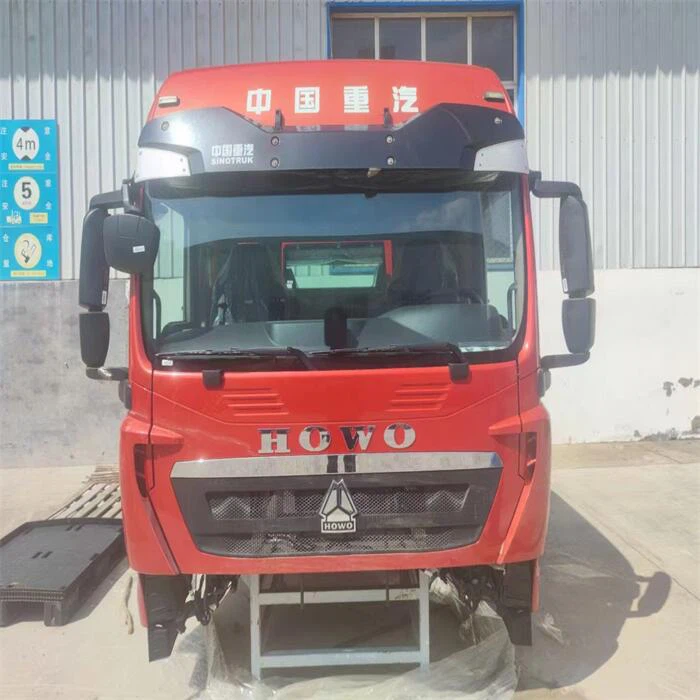
Heavy Truck Cab Assembly

What is Heavy Truck Cab Assembly?


Heavy truck Cab assembly services constitute a vital segment of the automotive industry, focusing on the production and assembly of large, robust vehicles. These services involve a complex interplay of various stages and elements that lead to the creation of vehicles capable of handling heavy loads and tough terrains.


Why Choose Us


Professional Team
We are engaged in heavy-duty truck parts, and we have professional business and technical personnel to provide you with services and provide you with a one-stop solution to your domestic procurement chain.


Our Product
Heavy-duty truck cab, engine, gearbox, chassis, frame, oil, etc.


Reliable Supply
We offer a vertically integrated supply chain model to ensure reliable long-term supply and complete traceability.


Shipping Service
We have established a robust shipping service offered to ensure timely and secure delivery of orders worldwide.

First 12345 Last 1/5

What Do Shock Absorbers Do?


Essentially, shock absorbers do two things. Apart from controlling the movement of springs and suspension, shock absorbers also keep your tyres in contact with the ground at all times. At rest or in motion, the bottom surface of your tyres is the only part of your vehicle in contact with the road. Any time that a tyre's contact with the ground is broken or reduced, your ability to drive, steer and brake is severely compromised.


Firstly, a little bit of science. Shock absorbers work by taking the kinetic energy (movement) of your suspension and converting it to thermal energy (heat) that is then dissipated into the atmosphere through the mechanism of heat exchange. But it’s nowhere near as complicated as it may sound.


As mentioned, shock absorbers are basically oil pumps. A piston is attached to the end of a piston rod and works against hydraulic fluid in the pressure tube. As the suspension travels up and down, the hydraulic fluid is forced through orifices (tiny holes) inside the piston. Because the orifices only allow a small amount of fluid through the piston, the piston is slowed which in turn slows down spring and suspension movement.


Shock absorbers automatically adjust to road conditions because the faster the suspension moves, the more resistance they provide.


Types of Shock Absorbers
 

Although all shock absorbers do the same job, different types of vehicles and suspension designs require different types of shock absorbers which can appear radically different.
No matter the application, all shock absorbers fit into one of three broadly defined types conventional telescopic shock absorbers, struts or spring seat shocks.

Conventional telescopic shock absorbers

This is the simplest type of shock absorber and is generally replaced rather than repaired.
This type of shock absorber can be found on both front and rear suspension systems and is relatively inexpensive.

Strut type shock absorbers

Although they do the same basic job, struts replace part of the suspension system and must be more ruggedly built to cope with greater loads and forces.
Although most commonly seen on the front and rear of small to medium cars, larger cars are now tending towards strut based suspension design. The strut category is further divided into sealed and repairable units.
As the name suggests, sealed units are designed to be fully replaced, whilst repairable (McPherson) struts are able to be fitted with replacement strut cartridges.

Spring seat shocks

The spring seat type shows characteristics of both telescopic and strut type shock absorbers. Like struts, a spring seat shock is a suspension unit and damping device in a single unit.
Unlike struts however, they are not designed to be subject to high side loads. Built using similar components to conventional shock absorbers, spring seat shocks are also sealed requiring full replacement.

Why the Air Filter Why it Matters?

Engine air filters are located out of sight – and often out of mind – under the hoods of our cars. But we shouldn’t overlook this key component, because it’s working hard to help our engines stay clean and run as smoothly as possible. We might not see or think about our engine air filter often, but it’s important to take a closer look at everything it does so we can have a better understanding of why it’s important to replace it on a regular basis.

1

Protecting Your Engine

Your car’s air filter has a crucial job: Preventing dirt, dust, and debris from getting inside the engine. If these particles aren’t collected by a filter, they can cause wear and tear to engine components like the pistons and cylinders, eventually causing expensive-to-fix damage and reducing the lifespan of your vehicle. Over time, the air filter will eventually get clogged with all the dirt it’s catching and become less effective.

2

Boosting Performance

As your air filter catches unwanted particles, it’s also helping your engine pull in the clean air it needs to operate effectively. But when the filter wears down and gets dirty, it can choke off your car’s air flow and hurt your engine’s acceleration power. If you’ve noticed slower acceleration or other issues with your vehicle’s performance lately, replacing the air filter could be the answer.

3

Reducing Emissions and Improving Efficiency

One beneficial side effect of a properly working air filter is that it can help to reduce your vehicle’s emissions and prevent pollution. But if the filter is dirty, air won’t flow freely and mix with fuel in the right ways. This can trigger issues like engine misses or rough idling, and it can also increase the harmful emissions that come from your vehicle.

4

How Often Should You Get a Replacement?

In most cases, you can tell that your engine air filter needs to be replaced just by looking at it. Air filters typically last for about 30,000 miles if you don’t do a lot of heavy-duty driving or live in an especially hot, dusty area. If you drive in rougher conditions, you might need to have the filter replaced every 15,000 miles instead.

How to Change An Engine Air Filter
 

Changing your car’s air filter is a straightforward process, even if you don’t have any mechanical experience. You may consult your manual for tips related to your specific car make and model, but according to our experts, the following steps apply to most vehicles.


Purchase a new air filter
You can find them at most car parts stores. Make sure you purchase a filter that’s a correct match for your car’s make and model, and year.


Locate your car’s airbox and remove the cover
Open the hood of your car and look for a small black box usually situated near the front. Undo any clamps or latches that are holding the airbox in place. Depending on your car, you may also need to unscrew some nuts and bolts.

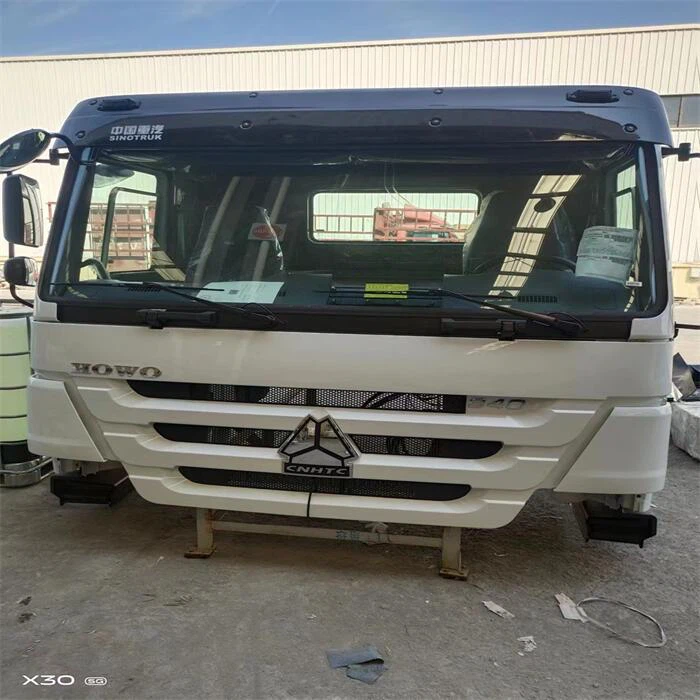
豪沃 A7 驾驶室总成


中国重汽豪沃TX驾驶室总成

Remove the old air filter and clean the airbox
Unlock any clips that are holding the air filter in place. Then you’ll be able to remove the air filter from the airbox piping. suggests using this time to clean the surrounding area, too, as dirt and grime can build up on the airbox piping. You can use a special cleaning formula or a simple mixture of water and grease-cutting dish soap.


Attach the new air filter and replace the cover
It should fit snugly into place. recommends comparing your old and new filters before attaching the new one to be sure they match. If the filters look different, consult your car’s manual or a mechanic to ensure the new filter won’t cause any damage to the engine’s components. Once the new filter is in, lock it into position. Put the cover back and secure it with the latches or nuts and bolts.


What Are Car Windshields and Windows Made of?


Although you may take your car's windshield for granted, this crucial vehicle part plays an important role in keeping you safe when driving. Besides shielding you from external elements, such as wind and kicked-up stones, auto glass has to give you a clear, undistorted view of the road. It also has to hold up if an impact occurs.

That's why car windows, which are made from soda-lime glass like many commercial glass products, are customized to satisfy the strict safety requirements needed for use in cars, trucks and buses.

Like your home windows, car windshields are made from soda-lime glass, which consists of 70% silica (which typically comes from sand), 15% soda ash, and 9% limestone, with small amounts of other compounds, such as aluminum oxide or potassium oxide, mixed in. For example, front windshields often contain iron oxide to lightly tint the glass, which may help drivers see better in bright sunlight. However, different types of glass are used for front and rear windshields.


Front Windshields
Early car windshields consisted of two sheets of standard window-pane glass. Unfortunately, they often shattered on impact, leaving passengers at risk for injuries from broken glass.

Today, the front windshield of most cars is made of laminated safety glass, which consists of two outer layers of glass with a plastic laminate, such as polyvinyl butyral in between. Because it’s hard to break and typically only cracks during an impact, laminated glass helps minimize injuries from shattered pieces of glass if an accident occurs. It also insulates your car’s interior from noise for a quieter ride, even on busy highways.

However, the automotive glass industry is constantly striving to improve windshield design. Some car manufacturers now feature Corning's Gorilla Glass in their windshields. Commonly used in cell phones and other electronics, this super-tough glass is clearer and more durable than traditional windshield materials. It’s also exceptionally lightweight, so it improves fuel efficiency.


Rear Windshields
Rear windshields are made from tempered glass, which is at least four times stronger than ordinary glass but breaks into small pieces with a severe enough impact. Tempered glass is also a type of soda-lime glass. However, due to the high melting point and rapid heating and cooling of the manufacturing process, the broken pieces typically don’t have sharp edges. Tempered glass is typically used in rear windshields so that a passenger may break it to escape in an emergency.


What Are Car Windows Made Of?
Like the rear windshield, the side windows of a car are made from tempered glass. Although tempered glass is strong enough for automotive use, it’s easy to break, so the driver and passengers can escape in an emergency, or a child or pet can be rescued from a locked car. Tempered glass can also be chemically or thermally treated to make it more shatterproof, so it can better handle side impacts without breaking into small pieces.


The Quality of Automotive Glass
Modern automotive glass must comply with Federal Motor Vehicle Safety Standards. However, if you have to replace a car window or windshield, the glass may vary in quality depending on whether it’s made by the original manufacturer or an aftermarket fabricator.


Original Equipment Manufacturer Glass
Because it’s made by the original car manufacturer or a producer approved by the original manufacturer, OEM glass is built to the same specifications as the car’s factory-produced windshield, so it will be the same shape, tint and thickness. It may also display the car manufacturer’s name and logo.


Aftermarket Glass
Aftermarket windshield glass, which is sometimes referred to as original equipment equivalent glass, is made by companies that aren’t licensed by the car’s manufacturer. These businesses can’t legally replicate the OEM glass exactly, so the glass usually differs from OEM glass in shape, tint and thickness. They also won't include the car manufacturer's name or logo. Although aftermarket glass may be more affordable, it may not meet the same quality standards you would find with OEM glass.

The Difference Between Windshield & Window Glass

Did you know the glass used for windshields is not the same as those used for other vehicle windows?
Windshield glass is made of laminated glass, and the other windows in a vehicle are typically tempered glass.


Windshield glass vs. Other vehicle windows
It is important for all vehicle glass to be tough and shardproof, which is why all windows in a vehicle are made of safety glass required by the OEM.
Meanwhile, the windshield goes through an additional lamination process to protect passengers.


Tempered Glass (Safety Glass)
Also referred to as safety glass, tempered glass is glass that has gone through a tempering process of extreme heating and rapid cooling. This process makes the glass extremely tough – up to five times stronger than regular glass.
It is not just strength that makes tempered glass ideal for vehicles. When tempered glass does break, it breaks into small pebbles instead of shards.


Laminated Glass
Laminated glass is made by placing a piece of plastic between two pieces of glass. The glass is then heated in an oven called an autoclave.

During an accident or other extreme event that may break the windshield glass, the pieces will stick to the plastic, therefore keeping the driver and passengers safe from shards.

The additional layer of protection for the windshield is a shield from projectiles on the road. The three layers ensure that most small items that come into contact with the window while driving will, at most, break the outer layer.
This area is much more likely to be hit by debris, and the driver in control of the vehicle is behind it, so it is vital to have this additional defense for the windshield.

The safety glass on the rearview window and passenger windows is tough and will hold up in extreme conditions, but it does not need to be as resistant to road debris.
If you are dealing with side window damage, covering it with a trash bag or tape might seem like a good idea and can be a good temporary solution until you can get the repair done.

Do not ignore it because leaving it as is puts your vehicle at risk. If a rainstorm breaks out, your interior and electrical components are compromised, and a broken window is an invitation for burglars that can cost you more than just a replacement.


Our Factory

Jinan Aidela International Trade Co., Ltd. Has been deeply involved in the industry for 13 years. Reputation and reputation are also well-known in the industry. We are engaged in heavy-duty truck parts, and we have professional business and technical personnel to provide you with services and provide you with a one-stop solution to your domestic procurement chain.Our factory produces all high-end products. We firmly believe that quality is the soul of an enterprise.

productcate-1-1


FAQ
 

Q: What is a heavy truck defined as?

A: Heavy Truck means a motor truck, truck tractor, or road tractor with a gross vehicle weight rating or actual gross weight of more than 10,000 pounds.

Q: Is the cab part of the chassis?

A: A cab/chassis is obviously the chassis with a cab attached, and is most often a term used by commercial vehicle manufacturers who build the chassis up and then attach the cab to it. The cab/chassy is then usually bought and used by others as a base to build onto – their own specialized body.

Q: What is the highest class of truck?

A: FHWA categorizes vehicles as Light Duty (Class 1-2), Medium Duty (Class 3-6), and Heavy Duty (Class 7-8). EPA defines vehicle categories, also by GVWR, for the purposes of emissions and fuel economy certification.

Q: What is the filter in the car air?

A: The cabin air filter in a vehicle helps remove harmful pollutants, including pollen and dust, from the air you breathe within the car. This filter is often located behind the glovebox and cleans the air as it moves through the vehicle's HVAC system.

Q: Is it OK to drive without air filter?

A: Without it, or without a properly functioning filter, your vehicle will experience loss of power, reduced fuel economy, and even engine failure. If you were to head out to the local track and run a few miles, you wouldn't get very far if your lungs weren't working properly. The same goes for your vehicle.

Q: How long does an air filter last on a car?

A: Every 12,000 to 15,000 miles
It's recommended that you replace your car's air filter every 12,000 to 15,000 miles or once a year, whichever comes first. However, if you drive in dusty conditions or on dirt roads frequently, it's best to check more often as this will increase the amount of debris entering into the engine.

Q: What material are windshields made of?

A: Windshields are made of laminated safety glass. This type of glass is actually made up of a piece of plastic sandwiched between two layers of glass. The three layers are sealed together and any air pockets removed using rollers or vacuum systems.

Q: What are the three types of windshields?

A: There are three main types of auto glass: laminate, tempered, and safety glass. Laminate glass is the most common. This type of glass comprises layers of plastic interspersed with thin sheets of glass. Most often, laminate glass is used for rear windows.

Q: Do all cars have shock absorbers?

A: Any car has four struts/shock absorbers; one at each wheel. Most cars and SUVs have struts in the front suspension and shock absorbers or struts in the back. Struts and shock absorbers are maintenance-free units.

Q: How much does it cost to replace shock absorbers?

A: How Much Would It Cost to Replace Your Shocks and Struts? A typical shock and strut replacement can set you back anywhere between $450 and $1,100. However, keep in mind that this can vary depending on the type of vehicle suspension you have and your location.

We're well-known as one of the leading heavy truck cab assembly manufacturers and suppliers in China. If you're going to wholesale high quality heavy truck cab assembly with competitive price, welcome to get more information from our factory. Also, customized service is available.

Truck Flywheel Housing, , Truck Rubber Parts
goTop

(0/10)

clearall