Jinan Aidela International Trade Co., Ltd.

Heavy Truck Axle

Jinan Aidela International Trade Co., Ltd. : Your Trustworthy Heavy Truck Axle Manufacturer!


We are engaged in heavy-duty truck parts, and we have professional business and technical personnel to provide you with services and provide you with a one-stop solution to your domestic procurement chain.


Rich Product Variety
Our company can produce radiator cores, piston rings, oil cooler components, heavy truck cabs, engines, gearboxes, chassis, frames, oil circuits, etc.


Wide Range of Product Uses
Our products can be widely used in transportation, agricultural machinery and other fields, and have good quality assurance.


Leading Service
We have many years of industry experience and a complete production management, quality supervision and sales service operation system. Whether you want to buy an engine or a frame, just send your needs by email and we can customize the product for you.


Guaranteed Quality
Our products have obtained CE, ISO900 certificates, and we have our own factory and production equipment, and the process and precision meet the high standard quality of the products.

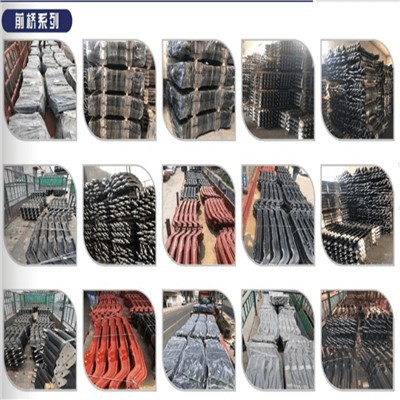
  • Heavy Truck Front Axle

    Heavy Truck Front Axle

    What do the inter-axle differential, inter-wheel differential, double front axle, double rear axle,

    Add to Inquiry
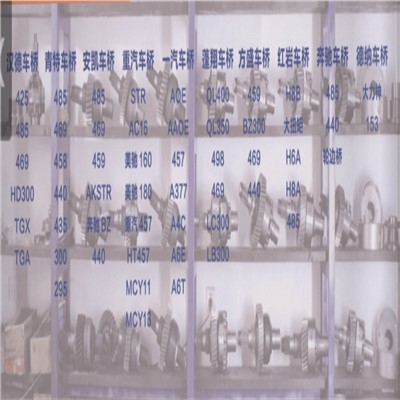
  • Heavy Truck Axle Assembly

    Heavy Truck Axle Assembly

    WhatThe car axle is also called the axle, which is connected to the frame (or load-bearing body)

    Add to Inquiry
  • Single Drive Axle

    Single Drive Axle

    Meaning: Heavy-duty trucks generally have double rear axles. If they are driven separately, two

    Add to Inquiry
What is Heavy Truck Axle


Heavy Truck Axle is a key component of heavy trucks, responsible for supporting the weight of the vehicle and transmitting driving force. It consists of multiple parts, including half shafts, wheel hubs, bearings, brake systems, etc.


Features of Heavy Truck Axle

Increased Stability

When it comes to trucks, stability is key. Heavy Truck Axle offer increased stability on the road, especially when carrying heavy loads. The additional axles distribute the weight more evenly, reducing the risk of tipping over or losing control. This not only ensures the safety of the driver and other road users but also protects the cargo being transported.

Higher Weight Capacity

One of the main advantages of Heavy Truck Axle is their higher weight capacity. By spreading the weight of the load across more axles, these trucks can carry heavier loads without compromising safety or performance. This is especially beneficial for industries that require the transportation of bulky or heavy materials, such as construction or logistics.

Better Braking Performance

Another benefit of Heavy Truck Axle is their superior braking performance. With more axles to distribute the braking force, these trucks can come to a stop more efficiently, reducing the risk of accidents and ensuring a smoother driving experience. This is crucial, especially when navigating steep descents or sudden stops on the road.


Types of Heavy Truck Axle


Heavy Truck Front Axle

Single Axle Trucks

Single axle trucks, as the name suggests, are equipped with only one axle. These trucks are commonly used for light to medium-duty applications, such as local deliveries or landscaping jobs. They are more maneuverable than multi-axle trucks, making them ideal for navigating tight spaces and urban areas. However, single axle trucks have limited weight capacity compared to their multi-axle counterparts, making them less suitable for heavy hauling tasks.

Heavy Truck Axle Assembly

Tandem Axle Trucks

Tandem axle trucks feature two axles, providing better weight distribution and stability compared to single axle trucks. These trucks are commonly used for medium to heavy-duty applications, such as long-haul transportation or construction projects. The additional axle allows tandem axle trucks to carry heavier loads while maintaining control and stability on the road. They are versatile vehicles that can adapt to various road and weather conditions, making them a popular choice for a wide range of industries.

Single Drive Axle

Tri-Axle Trucks

Tri-axle trucks are equipped with three axles, making them the most robust and heavy-duty trucks in this category. These trucks are designed for hauling extremely heavy loads over long distances, such as oversized construction materials or machinery. The additional axle provides exceptional weight distribution and support, allowing tri-axle trucks to carry massive payloads without compromising safety or performance. While tri-axle trucks may be less maneuverable than their counterparts, they excel in handling the toughest and most demanding transportation tasks.


Common Axle Configurations in Heavy Trucks


4×2
When it comes to commercial trucks, the 4×2 axle configuration is one of the most common setups you’ll see on the road. This configuration means that the truck has four wheels, with two of them powered by the engine. The 4×2 setup is often used for lighter loads and shorter distances, as it provides decent maneuverability and fuel efficiency. However, it may not be the best option for heavy-duty hauling or challenging terrain.


6×2
Moving up in complexity, the 6×2 axle configuration offers a bit more stability and weight capacity compared to the 4×2 setup. In this configuration, the truck has six wheels, with only one axle being powered by the engine. The non-driven axle helps distribute the weight of the load more evenly, providing better traction and reducing wear and tear on the powered axle. The 6×2 setup is commonly used for medium-duty hauling and long-distance transportation.


8×4
For heavy-duty hauling and demanding terrain, the 8×4 axle configuration is the go-to choice. With eight wheels and four powered axles, this setup offers maximum stability, weight capacity, and traction. Trucks with an 8×4 configuration are designed to handle the toughest jobs, from carrying oversized loads to navigating challenging off-road conditions. While they may come at a higher cost, the benefits they offer in terms of performance and durability are well worth it.


Heavy Truck Axle Assembly


How to Choose Heavy Truck Axle

Weight of the Load
When it comes to determining the number of Heavy Truck Axle, one of the key factors to consider is the weight of the load that the truck will be carrying. Heavier loads require more axles to distribute the weight evenly and prevent strain on the vehicle. For example, a truck carrying a light load may only require a single axle, while a truck hauling a heavy load may need multiple axles to support the weight effectively.


Terrain and Road Conditions
The terrain and road conditions that a truck will be operating in can also influence the number of axles that are needed. Trucks that will be traveling on rough terrain or uneven roads may require additional axles to provide stability and support. Similarly, trucks that will be navigating steep inclines or sharp turns may benefit from having more axles to improve traction and maneuverability.


How to Maintain Heavy Truck Axle
 

Keep Your Wheel Ends in Check
Wheel ends might not grab your attention, but they are essentially what connects your axles to your wheels. They consist of components like seals, bearings, and hubcaps, working together to keep your axles running smoothly. Experts advise upgrading your truck with advanced wheel hub and end technology as the first step of preventive maintenance, as it offers benefits like simplified maintenance and cost savings over time.


Place a Focus on Your Steer Axle
The Heavy Truck Axle is generally the focus of most truck axle repair appointments, as it dictates maneuverability and requires a frequent service interval of (roughly) every 25,000 miles. For Heavy Truck Axle, or any axle for all that matters, lubrication is pivotal — apply grease until fresh grease emerges, purging contaminants and flushing out debris. Preventing foreign matter from entering is equally vital to extend the Heavy Truck Axle's life.


InspectYour Drive Axles
Though less visible and cared for, Heavy Truck Axle is no less important. To keep them in prime condition, we suggest you get them checked before the standard 500,000 first-service interval to make sure everything is running like it should be. During that inspection, investigate any lubricant leakage, and if you find any, get it patched up as soon as possible. We also suggest you ensure you're using the right lubricant and that the fluid level is on point. Also, check the fluid for funky discoloration and metallic residue — if there is discoloration, it’s most likely caused by water that may have entered the axle through the vent.


Don't Forget About The Vents
If you’ve got water in your Heavy Truck Axle, it’s most likely a problem with the location of your axle vents. On the other hand, oil leaks may be caused by a clogged or plugged axle vent. Axle vents, perched at the top, help maintain pressure as the axle heats up during operation. If that vent gets plugged prepare for a visit to the nearest repair shop.


Applications of Heavy Truck Axle


Freight Hauling
The most common application of heavy truck axles is in the transportation of goods. Long-haul trucks, also known as semi-trailers or articulated lorries, rely on sturdy axles to carry heavy loads over long distances. The axle configuration (tandem, tri-axle, etc.) is selected based on the weight of the cargo.


Construction Industry
In construction, heavy trucks equipped with specialized axles are used to transport materials such as gravel, sand, concrete, and steel. Dump trucks, cement mixers, and flatbed trucks are examples where robust axles are necessary to handle the heavy loads and rough terrain.


Mining Operations
Mining trucks, which are among the largest vehicles on the road, require heavy-duty axles to transport extracted minerals and ores. These axles are engineered to endure extreme conditions, including heavy loads, rugged terrain, and harsh weather.


Logging Industry
Logging trucks use heavy-duty axles to transport timber from forests to processing plants or sawmills. The axles must be able to traverse unpaved roads and navigate through forested areas, often with heavy payloads.


Oil and Gas Industry
Specialized trucks used in oil and gas extraction, such as water trucks and tanker trucks, require durable axles to transport liquids and other materials to remote locations.


Waste Management
Refuse trucks are equipped with heavy-duty axles to manage the weight of collected waste and recyclables. These axles also need to withstand frequent starts and stops.


Agriculture
Agricultural trucks and trailers use heavy-duty axles to transport harvested crops, agricultural machinery, and supplies. The axles must be capable of handling the varied conditions of farm roads and fields.


Frequently Asked Questions

Q: What is a heavy truck axle, and what is its purpose?

A: A heavy truck axle is a structural component that connects the wheels to the chassis of a truck and supports the weight of the vehicle and its cargo. It transmits the driving torque from the engine to the wheels and helps in braking. The main purpose of a heavy truck axle is to bear the load and enable the movement of the truck efficiently.

Q: How do different types of axles affect the performance of a heavy truck?

A: The types of axles, such as single, tandem, or tri-axle setups, determine the load-carrying capacity, stability, and maneuverability of a heavy truck. A higher number of axles increases the contact surface, distributing the weight more evenly and enhancing the truck's ability to carry heavier loads. However, it can also impact fuel efficiency due to increased rolling resistance and may require more complex suspension systems.

Q: What materials are heavy truck axles typically made from, and why are these materials chosen?

A: Heavy truck axles are typically constructed from high-strength steel, such as alloy steel or carbon steel, due to their excellent tensile strength, fatigue resistance, and toughness. These materials can withstand the high stresses and loads encountered during operation without deforming or breaking. Advanced axles may also incorporate轻量化 materials like aluminum alloys or composites to reduce weight and enhance fuel efficiency.

Q: What are the benefits of using air suspension systems in heavy truck axles?

A: Air suspension systems offer several advantages, including improved ride comfort, better load distribution, and reduced maintenance costs. By adjusting the air pressure, the suspension can adapt to varying load weights, ensuring that the truck remains level and stable during transit. This technology also helps in preventing premature wear of the axles and tires.

Q: How do differential gears work within a heavy truck axle assembly?

A: Differential gears are an essential component of the drive axle. They allow the wheels to rotate at different speeds when the truck is turning, which is crucial for maneuverability. The differential gear assembly consists of a ring gear, pinion gear, and side gears. The engine's power is transmitted to the differential, which then splits it between the two half shafts leading to the wheels, enabling them to turn at independent speeds.

Q: What are the challenges faced by heavy truck axles in terms of durability and maintenance?

A: Heavy truck axles face numerous challenges, including exposure to harsh environmental conditions, constant mechanical stress, and the need to support heavy loads. As a result, they are prone to wear, corrosion, and fatigue. Regular maintenance is crucial to ensure their longevity and safe operation. This includes checking lubrication, inspecting for damage, and replacing worn parts.

Q: How has technology improved the design and functionality of heavy truck axles?

A: Advancements in technology have led to the development of stronger, lighter, and more efficient heavy truck axles. Computer-aided design (CAD) and finite element analysis (FEA) have enabled engineers to optimize axle geometry and material selection for improved performance. Additionally, the integration of electronic control systems and sensors has enhanced the monitoring and diagnostics capabilities, allowing for predictive maintenance and real-time adjustments to operating conditions.

Q: What role do axle ratios play in heavy truck performance?

A: Axle ratios, which determine the relationship between the speed of the engine and the speed of the wheels, significantly impact a heavy truck's performance. A lower axle ratio provides better acceleration and climbing ability, making it suitable for shorter trips and stop-and-go traffic. Conversely, a higher axle ratio improves fuel economy at highway speeds by reducing engine revolutions. The optimal ratio depends on the truck's intended use and operating conditions.

Q: Why are lift axles used in heavy truck applications?

A: Lift axles are used to improve fuel efficiency, reduce tire wear, and comply with road weight restrictions. By raising one or more axles when the truck is lightly loaded, the overall weight on the road is reduced. This allows the truck to carry heavier loads while still meeting legal weight limits and minimizes unnecessary tire wear and energy consumption.

Q: What are the consequences of axle failure in a heavy truck?

A: Axle failure in a heavy truck can lead to catastrophic outcomes, including loss of control, accidents, and severe damage to the vehicle and its cargo. It can also pose a significant safety risk to other road users. Therefore, regular inspections and maintenance are vital to identify and address potential issues before they escalate into full-blown failures.

Q: How do regulations influence the design and use of heavy truck axles?

A: Regulations governing maximum allowable weights, axle spacing, and tire size directly impact the design and use of heavy truck axles. Manufacturers must comply with these standards to ensure that their products are legally roadworthy and safe to operate. These regulations vary by region and are updated periodically to reflect advancements in technology and changes in industry practices.

Q: What innovations are currently being developed in the field of heavy truck axles?

A: Several innovations are emerging in the field of heavy truck axles, including the use of advanced materials like high-strength steel and composites, the integration of electric motors for hybrid or all-electric trucks, and the adoption of autonomous technologies for improved safety and efficiency. Additionally, researchers are exploring active suspension systems that can self-adjust to changing conditions and reduce the dynamic loads on the axles.

Q: What is the impact of axle weight distribution on a heavy truck's handling and stability?

A: Uneven axle weight distribution can adversely affect a heavy truck's handling and stability, leading to poor maneuverability, increased tire wear, and potentially dangerous situations. Proper weight distribution ensures that the truck maintains its balance and remains responsive to steering inputs. This is achieved through careful loading practices and the use of features like lift axles and suspension systems that can dynamically adjust the load distribution.

Q: How do environmental factors affect the performance and lifespan of heavy truck axles?

A: Environmental factors such as temperature, humidity, and exposure to corrosive substances can significantly impact the performance and longevity of heavy truck axles. Extreme temperatures can cause materials to expand or contract, leading to increased wear and reduced fatigue life. Corrosive substances can cause rust and deterioration of the axle components. Regular maintenance and protective coatings can mitigate these effects.

Q: What is the role of lubrication in maintaining the health of heavy truck axles?

A: Lubrication is crucial for maintaining the health of heavy truck axles as it reduces friction between moving parts, prevents wear, and helps to dissipate heat generated during operation. Proper lubrication ensures that the axle bearings, universal joints, and other moving components operate smoothly and efficiently. Neglecting lubrication can lead to premature wear and failure of these components.

Q: What is the significance of axle tracking in heavy trucks?

A: Axle tracking refers to the alignment of the axles in relation to the direction of travel. Maintaining proper axle tracking is essential for ensuring straight-line stability and preventing tire scrubbing, which can lead to uneven tire wear and reduced fuel efficiency. Axle tracking can be affected by factors such as incorrect toe settings, worn suspension components, or impacts from road debris. Regular inspections and adjustments are necessary to maintain proper axle tracking.

Q: How do heavy truck axles contribute to overall vehicle safety?

A: Heavy truck axles play a critical role in overall vehicle safety by providing the necessary structural support and ensuring that the vehicle can be controlled effectively. Strong and reliable axles are essential for maintaining the vehicle's stability during transit, particularly when carrying heavy loads or navigating through adverse weather conditions. Properly functioning axles also help to ensure that the brakes can engage effectively, further enhancing safety.

Q: What are the challenges associated with servicing and repairing heavy truck axles?

A: Servicing and repairing heavy truck axles present unique challenges due to their size, weight, and complexity. Accessing the axles for inspection and maintenance can be difficult, especially in the case of multi-axle configurations. Specialized tools and equipment are often required to perform tasks such as disassembling the axle assembly, replacing worn parts, or adjusting the suspension. Additionally, the cost of replacement parts and labor can be significant, making routine maintenance a substantial investment for fleet operators.

Q: How do advancements in manufacturing technology benefit the production of heavy truck axles?

A: Advancements in manufacturing technology, such as automated welding, robotic assembly, and precision machining, have greatly improved the production of heavy truck axles. These technologies ensure consistent quality and repeatability, reducing the likelihood of defects and improving the overall reliability of the axles. Automated processes also increase efficiency, allowing for faster production times and lower labor costs.

We're well-known as one of the leading heavy truck axle manufacturers and suppliers in China. If you're going to wholesale high quality heavy truck axle with competitive price, welcome to get more information from our factory. Also, customized service is available.

Heavy Truck Axle Assembly, , Heavy Truck Axle
goTop

(0/10)

clearall