


Oil Pan
The oil pan, also known as the sump, is a vital component of an internal combustion engine's lubrication system. It is a receptacle that sits at the bottom of the engine block, designed to hold the engine oil. The primary functions of the oil pan include collecting and storing the oil while the engine is operating and providing a reservoir for oil when the engine is off.
Jinan Aidela International Trade Co., Ltd. : Your Trustworthy Oil Pan Manufacturer!
We are engaged in heavy-duty truck parts, and we have professional business and technical personnel to provide you with services and provide you with a one-stop solution to your domestic procurement chain.
Rich Product Variety
Our company can produce radiator cores, piston rings, oil cooler components, heavy truck cabs, engines, gearboxes, chassis, frames, oil circuits, etc.
Wide Range of Product Uses
Our products can be widely used in transportation, agricultural machinery and other fields, and have good quality assurance.
Leading Service
We have many years of industry experience and a complete production management, quality supervision and sales service operation system. Whether you want to buy an engine or a frame, just send your needs by email and we can customize the product for you.
Guaranteed Quality
Our products have obtained CE, ISO900 certificates, and we have our own factory and production equipment, and the process and precision meet the high standard quality of the products.
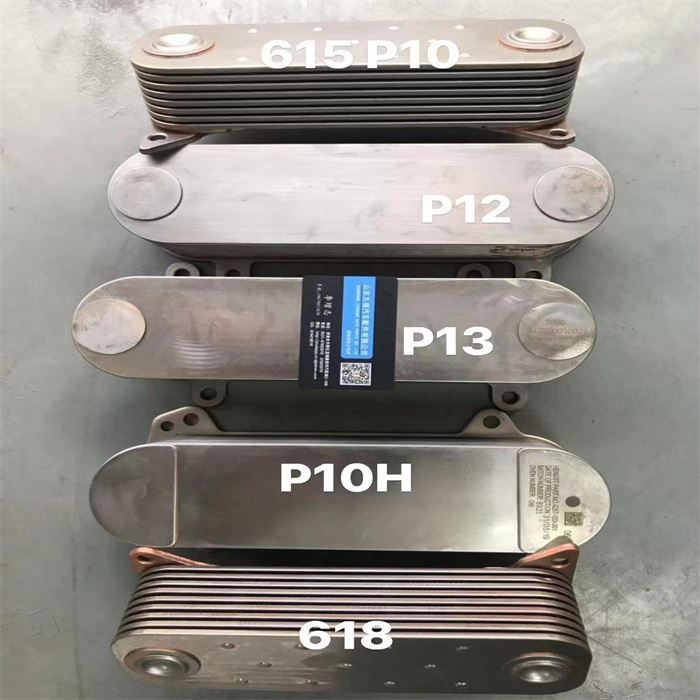
A radiator core, also known as a heat exchanger core or simply a core, is an essential component in the cooling system of internal combustion engines, such as those found in automobiles. Its primary function is to dissipate the excess heat generated by the engine's operation.

An Engine Overhaul Package is a collection of parts and services required to rebuild an internal combustion engine to its original specifications or better. These packages are often used when an engine has reached the end of its service life due to high mileage, wear, or mechanical failure.

Engine Left And Right Supports
Engine left and right supports, also known as engine mounts or motor mounts, are components that secure the engine to the frame or body of a vehicle. They are designed to absorb vibrations and isolate the engine from the passenger compartment, reducing noise and providing stability during operation.

A fan tray is a component within the cooling system of many engines and machinery, particularly in heavy equipment, diesel engines, and industrial applications. It serves as a framework that holds multiple fans in an organized arrangement, allowing for efficient airflow to help dissipate heat from the engine or enclosed components.

The exhaust pipe in an automotive engine system is a crucial component that serves to channel the gases produced during combustion away from the engine and the vehicle. These gases include carbon monoxide, nitrogen oxides, water vapor, and unburned fuel, which can be harmful if allowed to accumulate inside the vehicle or released into the atmosphere in large quantities.

An automatic tensioning wheel, also known as a tensioner pulley or idler pulley, is a component used in the belt drive systems of internal combustion engines. Its primary function is to maintain proper tension on the engine's serpentine belt or timing belt, ensuring that the belt remains engaged with all of its driven accessories-such as the alternator, air conditioning compressor, power steering pump, and water pump-without excessive slack or tightness.

An engine idler gear, also referred to as an idler pulley, is a small wheel that forms part of the accessory drive system in an internal combustion engine. Its role is to support the drive belt and ensure smooth operation of the belt-driven components when the engine is running.
The clutch pressure plate is a key component of a manual transmission system in vehicles. Its primary function is to apply pressure from the clutch spring onto the clutch disc, which separates the engine from the transmission whenever the driver presses the clutch pedal. This disengagement allows the driver to change gears without grinding the transmission's gear wheels.

Cylinder Gasket is an important component in the engine. It is mainly used to seal the joint surface between the cylinder block and the cylinder head to prevent gas leakage in the combustion chamber and the intrusion of lubricating oil. It also plays a role in heat conduction. The material of the cylinder gasket is usually asbestos, copper-based alloy and other high-temperature resistant materials. Among them, asbestos materials have been widely used in the manufacture of cylinder gaskets due to their good heat resistance, corrosion resistance and mechanical strength. However, as asbestos materials are harmful to human health, they have now been gradually replaced by asbestos-free materials.
The oil pan, also known as the sump, is a vital component of an internal combustion engine's lubrication system. It is a receptacle that sits at the bottom of the engine block, designed to hold the engine oil. The primary functions of the oil pan include collecting and storing the oil while the engine is operating and providing a reservoir for oil when the engine is off.
Features of Oil Pan
Baffling
Oil Pan have baffles or walls that create channels to direct oil flow back to the oil pickup tube, especially during high-G forces or cornering. This helps prevent oil starvation in critical engine areas.
Drain Plug
A drain plug is provided at the lowest point of the oil pan for easy draining of old oil during oil changes. It is usually sealed with a washer to prevent leaks.
Magnetic Plug
Oil Pan have a magnetic drain plug or a separate magnet attached to the underside of the pan to capture metal particles from the engine oil. This helps keep the oil clean and extends the life of the engine.
Ventilation
Proper ventilation is crucial to prevent the buildup of vacuum or pressure within the oil pan, which could lead to oil starvation or aeration. Oil Pan is designed with vent holes or breather tubes connected to the crankcase ventilation system.
How to Choose Oil Pan
Engine Compatibility
Ensure that the oil pan is compatible with your engine's make and model. Check the specifications to confirm that it fits the year, engine type, and any other relevant details.
Material
Consider the material of the oil pan. Aluminum pans are lightweight and dissipate heat well but can be more expensive. Steel pans are durable and less costly but heavier.
Capacity
Determine the required oil capacity based on your engine's needs. Larger engines or those that run at higher temperatures might require a larger oil pan to hold more oil.
Durability
Look for features that enhance durability, such as thick walls, ribbed construction, or skid plates to protect the pan from road debris.
Performance Requirements
If the vehicle is used for high-performance driving, consider an oil pan with baffles to prevent oil from being thrown out at high G-forces and to ensure consistent oil flow to the engine.
Maintenance Accessibility
Evaluate how easily the oil pan can be accessed for maintenance and oil changes. A larger or deeper pan may make it more challenging to reach the drain plug.
Oil Cooling
For vehicles prone to high under-hood temperatures, select an oil pan with provisions for additional oil cooling, such as coolant passages.
Maintenance of Oil Pans
Regular Oil Changes
Regular oil changes, as per the manufacturer's recommendations, are crucial for keeping the oil clean and maintaining the proper oil level in the oil pan. Dirty or low oil levels can lead to poor engine lubrication and increased wear and tear on the engine components.
Inspect For Leaks
Regularly inspect the oil pan for signs of oil leaks, such as oil spots on the ground under the vehicle or oil stains on the oil pan itself. Oil leaks can result in oil loss, which can lead to engine damage if not addressed promptly.
Clean the Oil Pan
During oil changes, it is essential to clean the oil pan and remove any accumulated debris or sludge. Debris or sludge in the oil pan can restrict oil flow and reduce lubrication effectiveness, potentially leading to engine damage.
Check For Damage
Inspect the oil pan for any signs of damage, such as dents, cracks, or corrosion. Damaged oil pans may need to be repaired or replaced to ensure proper engine lubrication.
Check the Oil Pickup Tube/Screen
Inspect the oil pickup tube or screen in the oil pan for any signs of clogging or damage. A clogged or damaged pickup tube or screen can restrict oil flow and lead to engine damage.
Common Issues With Oil Pans
Oil Leaks
Oil pan gasket failure or damage to the oil pan itself can result in oil leaks. This can lead to oil loss, reduced lubrication, and potential engine damage if not addressed promptly. Oil leaks can occur due to wear and tear over time, damage from road debris, or improper installation of the oil pan or gasket.
Oil Pan Damage
Oil pans can be susceptible to damage from impacts with road debris, such as rocks or debris kicked up by the tires. Dents, cracks, or corrosion in the oil pan can compromise its integrity and result in oil leaks or reduced oil storage capacity.
Debris Accumulation
Debris, such as dirt, sludge, or metal particles, can accumulate in the oil pan over time. This can restrict oil flow and reduce the effectiveness of engine lubrication, potentially leading to engine damage
Oil Starvation
High-speed or high-performance driving conditions can cause oil to slosh around in the oil pan, resulting in oil starvation. This can lead to temporary loss of oil pressure and reduced lubrication, potentially causing engine damage.
Poor Oil Quality
If the engine oil is not changed regularly or if low-quality oil is used, it can result in the accumulation of sludge or contaminants in the oil pan. This can affect the oil's ability to lubricate the engine properly and increase the risk of engine damage.
Function of an Oil Pan
The primary function of an oil pan is to store engine oil and provide a continuous supply of oil to the engine's moving parts, such as the crankshaft, connecting rods, and camshaft. The oil pan is typically located at the bottom of the engine and is attached to the engine block. It is designed to collect and hold a sufficient amount of oil to ensure proper lubrication of the engine during operation. The oil pan is also responsible for distributing oil to various parts of the engine, including the oil pump, which draws oil from the pan and pressurizes it to circulate throughout the engine. Additionally, the oil pan contains an oil pickup tube or screen that prevents debris, such as dirt and metal particles, from entering the oil pump and causing damage to the engine.
Frequently Asked Questions
Q: What is the main function of an oil pan?
Q: Are there different materials from which oil pans are made?
Q: How do baffles in an oil pan work?
Q: What is the purpose of a magnetic plug or drain plug magnet?
Q: Why is ventilation important in an oil pan?
Q: How does the size of an oil pan affect engine performance?
Q: What are the common causes of oil pan damage?
Q: Can I replace my oil pan myself?
Q: How often should I replace my oil pan?
Q: What are the symptoms of a failing oil pan?
Q: Can I modify my oil pan for improved performance?
Q: How do I choose the right oil for my vehicle?
Q: What is the difference between a wet and a dry sump system?
Hot Tags: oil pan, Chinaoil pan manufacturers, suppliers, factory, Engine Cylinder Head Parts, Sinotruk Fan Belt 6PK1020, Air Compressor Cylinder Valve Plate, Wheel Ring Gear, WD618 Engine Pistons, Heavy Truck Engine Wiring Harness

