

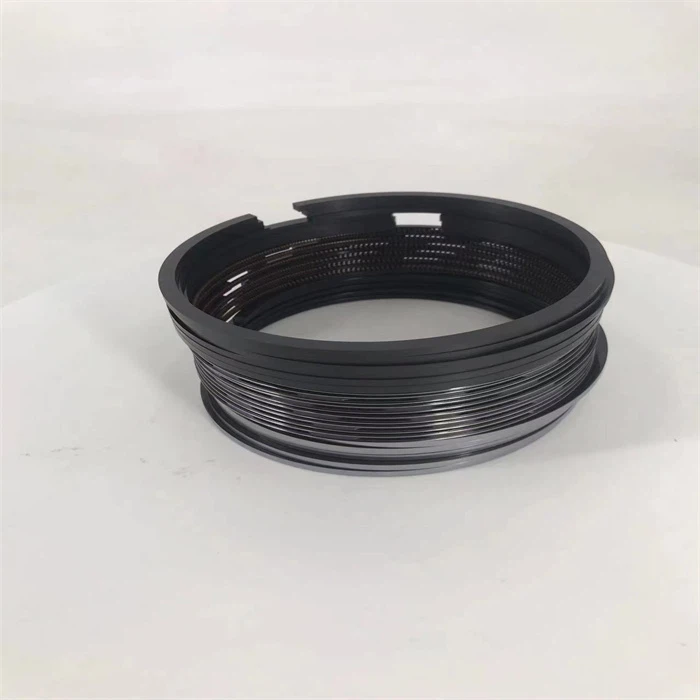
Piston Rings
Piston rings are circular, spring-like components that fit inside the grooves of a piston in an internal combustion engine. Their primary functions are to control the combustion process and the flow of gases within the engine's cylinders, and to provide a seal between the piston and the cylinder walls.
Jinan Aidela International Trade Co., Ltd. : Your Trustworthy Piston Rings Manufacturer!
We are engaged in heavy-duty truck parts, and we have professional business and technical personnel to provide you with services and provide you with a one-stop solution to your domestic procurement chain.
Rich Product Variety
Our company can produce radiator cores, piston rings, oil cooler components, heavy truck cabs, engines, gearboxes, chassis, frames, oil circuits, etc.
Wide Range of Product Uses
Our products can be widely used in transportation, agricultural machinery and other fields, and have good quality assurance.
Leading Service
We have many years of industry experience and a complete production management, quality supervision and sales service operation system. Whether you want to buy an engine or a frame, just send your needs by email and we can customize the product for you.
Guaranteed Quality
Our products have obtained CE, ISO900 certificates, and we have our own factory and production equipment, and the process and precision meet the high standard quality of the products.
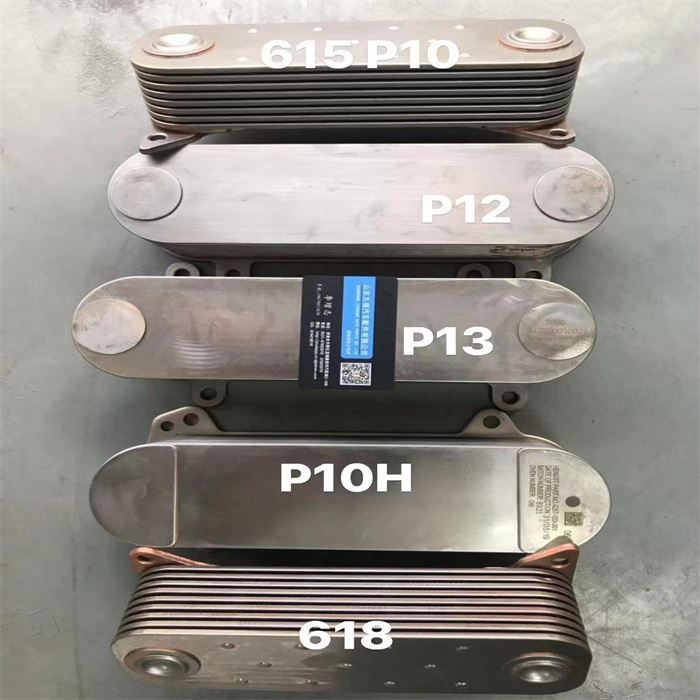
A radiator core, also known as a heat exchanger core or simply a core, is an essential component in the cooling system of internal combustion engines, such as those found in automobiles. Its primary function is to dissipate the excess heat generated by the engine's operation.

An Engine Overhaul Package is a collection of parts and services required to rebuild an internal combustion engine to its original specifications or better. These packages are often used when an engine has reached the end of its service life due to high mileage, wear, or mechanical failure.

Engine Left And Right Supports
Engine left and right supports, also known as engine mounts or motor mounts, are components that secure the engine to the frame or body of a vehicle. They are designed to absorb vibrations and isolate the engine from the passenger compartment, reducing noise and providing stability during operation.

A fan tray is a component within the cooling system of many engines and machinery, particularly in heavy equipment, diesel engines, and industrial applications. It serves as a framework that holds multiple fans in an organized arrangement, allowing for efficient airflow to help dissipate heat from the engine or enclosed components.
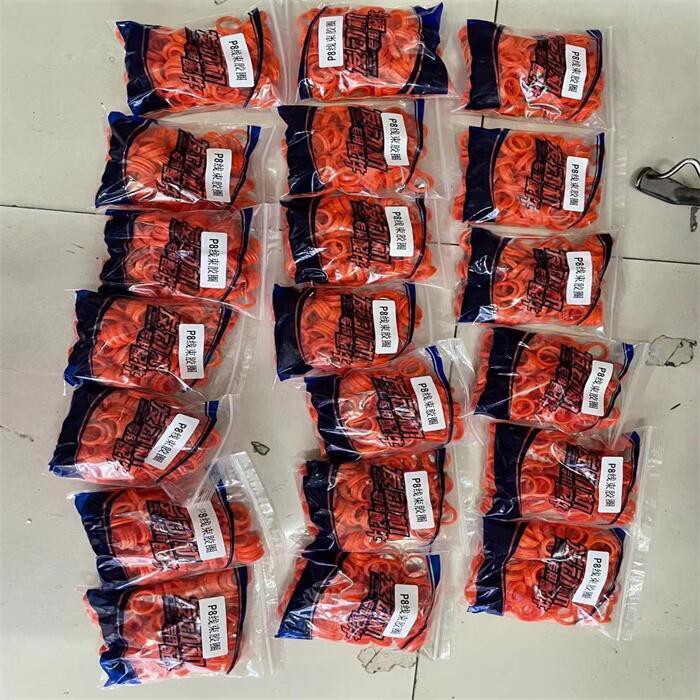
The wire harness grommets and seals in the P8 heavy-duty truck engine serve an essential function in protecting the electrical wiring from external elements such as moisture, dirt and vibration. By providing a secure and sealed passage for the wires, the grommets and seals prevent damage to the wiring system, ensure proper functioning of the engine and reduce the risk of fire or electrical failure

The timing gear chamber gasket of the CAMC MC07 heavy-duty truck has several advantages and important functions. Firstly, it helps to prevent engine oil leakage by providing a tight seal between the timing gear chamber cover and the engine block. This ensures that the oil remains in the engine, lubricating its various components and extending its service life.
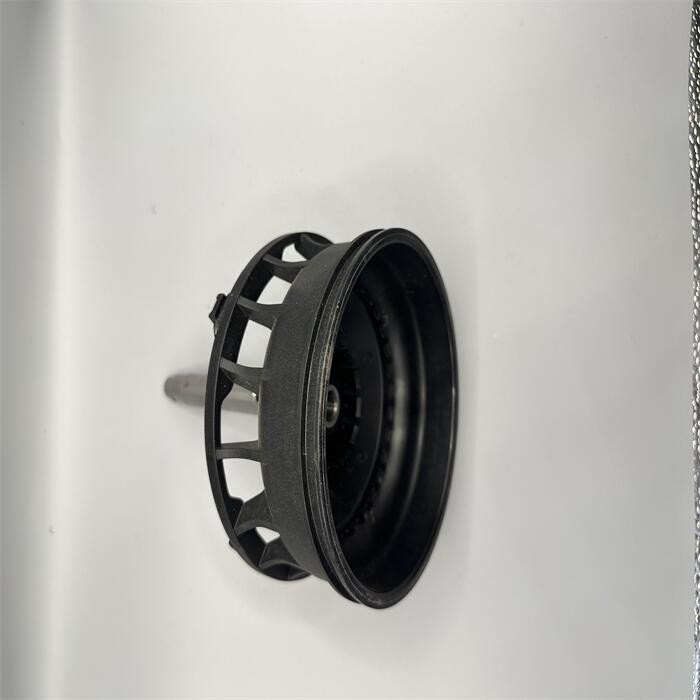
The rotor filter bracket P10H is a heavy-duty truck spare part that plays a crucial role in maintaining the engine's performance. The bracket is designed to hold the rotor filter element in place, preventing it from dislodging during operation. This ensures that the filter is constantly and effectively filtering the engine oil, preventing contaminants from entering the engine and causing damage.

Oil And Gas Separator Filter Element
The 612630060138 oil and gas separator filter element is a key component in heavy-duty trucks that utilize the WP12, WP13, or P10H engines. It is designed to separate oil and gas in the engine, preventing engine damage and optimizing engine performance.

Oil And Gas Separator Shangchai Engine
Oil and gas separators are essential components in heavy-duty trucks to ensure the efficient and safe operation of the engine. S00045645+01 oil and gas separator is specifically designed for diesel engines manufactured by Shaanxi Automobile Group Co., Ltd.
Piston rings are circular, spring-like components that fit inside the grooves of a piston in an internal combustion engine. Their primary functions are to control the combustion process and the flow of gases within the engine's cylinders, and to provide a seal between the piston and the cylinder walls.
Features of Piston Rings
Sealing Efficiency
Piston rings form a tight seal between the piston and the cylinder wall. This seal is vital for preventing the leakage of combustion gases into the crankcase (known as blow-by) and the escape of oil into the combustion chamber (known as oil consumption). By maintaining this seal, piston rings help to ensure that the engine runs efficiently and with minimal power loss.
Control of Oil Film
Oil control rings are specifically designed to manage the oil film on the cylinder walls. They help to distribute the oil evenly, ensuring adequate lubrication while preventing excessive oil consumption. The correct balance of oil on the cylinder walls is crucial for engine performance and contributes to longer engine life by reducing wear and deposits.
Scraping Action
The scraper edge of oil control rings removes excess oil from the cylinder walls and returns it to the sump. This action helps to maintain a thin, consistent oil film, which is essential for minimizing friction and preventing scoring or scuffing of the cylinder walls.
Temperature Regulation
Proper sealing by the piston rings helps to regulate the temperature within the engine. By containing the combustion gases and preventing heat loss, the rings contribute to the efficient combustion process and the management of engine temperatures.
Durability
The robust material and precise engineering of piston rings allow them to withstand the extreme conditions of high pressure, temperature, and mechanical stress within the engine. This durability ensures long service life and reliable engine performance.
Types of Piston Rings

Compression Ring
The compression ring is the topmost ring in the piston attached to its outside diameter. The main function of the compression ring is to seal the gap between the piston and the cylinder walls. Sealing this gap with the outer diameter of the piston and the cylinder walls ensure that the air-fuel mixture in the combustion engine does not move down to the crankcase and causes low compression and power.
Wiper Ring
The wiper ring also called a Napier ring, or backup compression ring, are installed below the compression ring. Their main function is to clean the liner surface off the excess oil and to act as support backup ring on stopping any gas leakage further down which escaped the top compression ring. Most of the wiper rings have a taper angle face which is positioned toward the bottom to provide a wiping action as the piston moves toward the crankshaft.
Oil Ring
An oil ring is the piston ring located in the ring groove closest to the crankcase. The oil ring is used to wipe excess oil from the cylinder wall during piston movement. Excess oil is returned through ring openings to the oil reservoir in the engine block. Two-stroke cycle engines do not require oil rings because lubrication is supplied by mixing oil in the gasoline, and an oil reservoir is not required.
Symptoms Of Bad Piston Rings
White Or Gray Exhaust Smoke
If there is a lot of exhaust smoke coming out of your vehicle, this could be an easy sign that you have bad piston rings. This smoke will look very thick and have dark gray and blue colors to it. It is often accompanied with a burning oil smell. When you have bad piston rings, engine oil will start leaking into the combustion chamber. Once that happens, the oil will burn and create the thick blue gray exhaust smoke that you see coming out.
Excessive Oil Consumption
The moment your check engine light turns on because of excess oil consumption, it is highly likely that your piston rings need replacement. Worn-out piston rings will lead to oil leaks in the combustion chamber which automatically will manifest themselves as more oil consumption by the vehicle. So check the Engine oil Level Regularly. Therefore, your car will require you to regularly add oil more frequently than the average 4000 miles before refill. Immediately inspect your piston rings when your car begins consuming more than the regular amount of oil.
Overall Loss Of Power Or Poor Performance
The worst-case symptom of bad piston rings is when you lose all power in your vehicle. You won't be able to accelerate your vehicle at all and its overall performance will be very poor. You'll probably have to tow your vehicle to the nearest mechanic because the performance will be so bad. However, you will only experience this symptom if you've ignored the first three earlier symptoms as they occurred.
Low Power For Acceleration
Technically, this symptom is a part of declining engine performance. However, the engine will often start losing acceleration before it begins to shudder or stutter. With a loss of acceleration, you might notice difficulty getting your car to smoothly and quickly accelerate to higher speeds. Also, a vehicle with poor acceleration will struggle to pull itself up hills.
Oil In The Intake Manifold
Inside your vehicle's engine bay is a small filter where the intake pulls in air. This air mixes with the fuel in the combustion cylinder and is partially responsible for turning the engine. The fuel won't ignite without air, and the engine won't turn over.
How to Choose Piston Rings
Engine Specifications
Compression Ratio
Ring Type
Material
Size and Clearance
Groove Width and Depth
Environmental Factors
Is it Necessary to Maintain Piston Rings Regularly?
Performance at the Low Level
Your engine's piston rings may need maintenance if they degrade in performance even after the best maintenance. If the piston rings of the machine have to be replaced, then the quality performance will be restored to the machine with a simple replacement.
Deterioration of Piston Quality
To improve their durability, piston rings often include an additional layer of chrome or a coating. However, this protective layer might wear off earlier than expected, indicating that your engine should be inspected as soon as possible.
Overconsumption of Oil
Changing your engine's piston rings may be necessary if you need more oil than usual. A high level of smoke may also result from excessive oil consumption.
Things to Be Checked During the Inspection of Piston Ring
Care During Inspection
A screwdriver is used for pressing piston rings during normal scavenge space inspections. The purpose of doing this is to check whether or not the rings have a spring action or are tensioned. Additionally, this will tell us whether the ring is broken. A broken ring will result in a lack of spring action because the ring is not functioning. You need a thorough review of the rings to ensure they do not stick in the grooves due to carbon deposits. This could lead to the rings getting stuck and finally breaking, causing a lot of damage to the lining in the process.
Frequently Asked Questions
Q: What is the primary function of a piston ring?
Q: How do piston rings affect engine performance?
Q: What types of piston rings are typically used in an engine?
Q: What materials are piston rings made from?
Q: How do you measure the quality of a piston ring?
Q: What are the common failure modes of piston rings?
Q: How do you install piston rings?
Q: What factors determine the lifespan of a piston ring?
Q: Can I interchange different brands or models of piston rings in my engine?
Q: Why is it important to keep piston rings clean during installation?
Q: How do you troubleshoot problems with piston rings?
Q: What maintenance is required for piston rings?
Q: Can I replace just one piston ring if multiple rings are worn?
Q: How do environmental factors affect piston ring performance?
Q: What is the difference between a standard piston ring and a high-performance piston ring?
Q: Can I reuse old piston rings?
Q: What is the role of a scraper ring in a piston?
Q: How does the design of a piston ring affect its performance?
Q: What are the symptoms of failing piston rings?
Q: What advancements have been made in piston ring technology?
Hot Tags: piston rings, Chinapiston rings manufacturers, suppliers, factory, Fan Belt 8PK, Heavy Truck Engine Wiring Harness, Howo A7 Cab Assembly, Brake Caliper Piston Kit, Truck Engine Exhaust Pipe, Truck Engine FlyWheel

